Spinal Stenosis Treatment in Newcastle
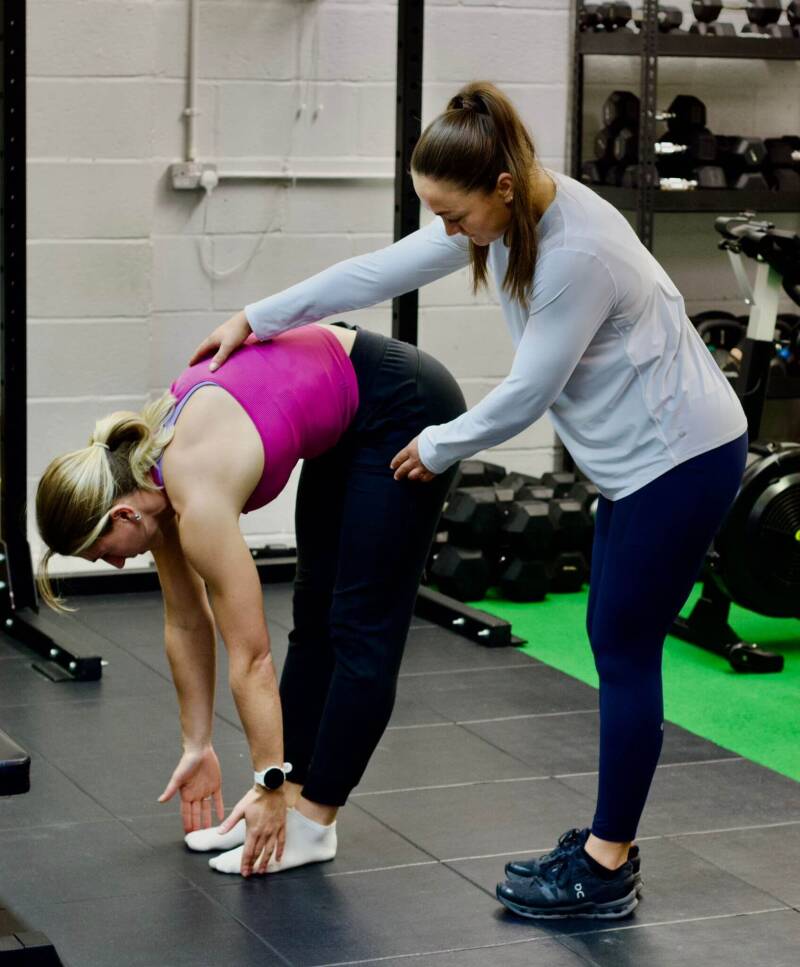
Expert Physiotherapy for Spinal Stenosis
Spinal stenosis is a common condition that can cause lower back pain, leg pain, numbness and difficulty walking. Symptoms often develop gradually and may become more noticeable when standing or walking for longer periods.
Although spinal stenosis can be frustrating and sometimes significantly limit your activities, many people can manage their symptoms successfully with physiotherapy, exercise and appropriate lifestyle changes.
At NE Physio, we provide evidence-based physiotherapy for spinal stenosis. Our aim is to understand your symptoms, improve your physical capacity and help you remain as active and independent as possible.
Whether you're struggling to walk as far as you used to, experiencing leg pain when standing or have recently been diagnosed with lumbar spinal stenosis, we'll develop a personalised rehabilitation programme around your goals.
What is Spinal Stenosis?
Spinal stenosis occurs when there is narrowing within the spaces around the spinal cord or the nerves that leave the spine.
When this occurs in the lower back, it is known as lumbar spinal stenosis.
The narrowing can reduce the space available for the nerves and may irritate or compress them, particularly during certain positions or activities.
Spinal stenosis commonly develops as part of age-related changes in the spine. These can include:
-
Changes to the spinal discs
-
Enlargement of the facet joints
-
Thickening of spinal ligaments
-
Formation of osteophytes (bony growths)
These changes are common as we get older and do not always cause symptoms.
What Causes Spinal Stenosis?
The most common cause of spinal stenosis is gradual age-related change within the spine.
Risk factors and contributing factors can include:
-
Increasing age
-
Degenerative changes in the spine
-
Previous spinal injuries
-
Disc problems
-
Arthritis affecting the facet joints
-
Previous spinal surgery
-
Less commonly, conditions affecting the structure of the spine from birth
Spinal stenosis can also occur in the neck, although lumbar spinal stenosis is particularly associated with walking-related leg symptoms.
Symptoms of Spinal Stenosis
Symptoms vary considerably between individuals.
Common symptoms include:
-
Lower back pain
-
Pain in one or both legs
-
Numbness or tingling in the legs
-
Leg weakness
-
Heaviness or aching in the legs
-
Reduced walking distance
-
Symptoms that worsen when standing
-
Symptoms that improve when sitting
-
Difficulty standing upright for long periods
A characteristic feature of lumbar spinal stenosis is neurogenic claudication. This means that leg pain, heaviness, numbness or weakness develops or increases during standing and walking and often improves when sitting or bending forwards.
Some people find they can cycle comfortably despite struggling to walk for a similar amount of time because cycling usually involves a more flexed position of the spine.
How is Spinal Stenosis Diagnosed?
At NE Physio, diagnosis begins with a detailed assessment of your symptoms and how they affect your daily activities.
We'll discuss:
-
How your symptoms started
-
How far you can walk
-
What happens when you stand
-
Whether sitting improves your symptoms
-
Any numbness or weakness
-
Your medical history
-
Your exercise and activity levels
Your physiotherapist will assess:
-
Lumbar spine movement
-
Hip movement
-
Leg strength
-
Sensation
-
Reflexes where appropriate
-
Walking ability
-
Balance
-
Functional movements
MRI scans can demonstrate narrowing around the nerves and may be useful when further investigation is required. However, changes seen on scans are common with ageing and need to be interpreted alongside your symptoms and clinical examination.
Physiotherapy Treatment for Spinal Stenosis
Physiotherapy aims to improve your ability to manage symptoms and maintain your independence.
Treatment may include:
Education and Advice
Understanding spinal stenosis can help you remain active without unnecessarily worrying about causing damage.
We'll discuss:
-
What spinal stenosis means
-
Why symptoms can change with different positions
-
How to manage flare-ups
-
How to pace activities
-
Ways to maintain your independence
Exercise Rehabilitation
Exercise is an important part of managing spinal stenosis.
Your programme may include:
-
Lower limb strengthening
-
Hip strengthening
-
Core and trunk exercises
-
Balance exercises
-
Cardiovascular exercise
-
Mobility exercises
Exercises are progressed gradually according to your symptoms and functional goals.
Improving Walking and Function
For many people with spinal stenosis, improving walking tolerance is a key goal.
We'll help you gradually build your capacity through activities such as:
-
Walking
-
Cycling
-
Cross-training
-
Strength training
-
Functional exercises
If walking is particularly provocative, we can help you identify alternative forms of cardiovascular exercise while gradually working on improving your walking tolerance.
Pain Management
Treatment may include advice on:
-
Activity pacing
-
Position changes
-
Exercise modification
-
Appropriate rest
-
Managing symptom flare-ups
Manual therapy may also be used where appropriate to help improve movement and reduce discomfort, although exercise and self-management remain central to long-term management.
Can Exercise Help Spinal Stenosis?
Yes. Exercise is an important component of conservative treatment for lumbar spinal stenosis.
Although certain positions may temporarily aggravate your symptoms, this does not mean that movement is damaging your spine.
A tailored exercise programme can help improve:
-
Leg strength
-
Balance
-
Cardiovascular fitness
-
Walking ability
-
Confidence
-
General physical function
The most appropriate exercises depend on your symptoms and physical capacity.
There is no single exercise programme that works for everyone, so your physiotherapist will tailor your rehabilitation to your presentation and goals.
Will I Need Surgery?
Not necessarily.
Many people with spinal stenosis can manage their symptoms without surgery.
Conservative treatment is generally appropriate when symptoms are manageable and there is no significant or progressive neurological deficit.
Surgery may be considered when:
-
Symptoms remain significantly disabling despite appropriate conservative treatment
-
Walking ability is severely restricted
-
There is significant or progressive weakness
-
Your symptoms are having a major impact on your quality of life
If surgery is recommended, physiotherapy can also help prepare you for surgery and support your recovery afterwards.
How Long Does Spinal Stenosis Take to Improve?
Spinal stenosis is often a long-term condition associated with changes in the spine. However, the presence of spinal narrowing does not mean that your symptoms will necessarily continue to worsen.
Many people can significantly improve their symptoms and function through exercise, activity modification and appropriate management.
Recovery depends on:
-
Severity of symptoms
-
Walking tolerance
-
Strength and fitness
-
Presence of neurological symptoms
-
General health
-
Consistency with rehabilitation
The goal of treatment is often to improve your ability to live with the underlying condition rather than trying to change the appearance of the spine itself.
When Should I Seek Medical Attention?
Most cases of spinal stenosis can be assessed routinely. However, new or rapidly worsening neurological symptoms require prompt medical assessment.
Seek urgent medical attention if you develop:
-
Rapidly worsening weakness
-
Significant weakness in both legs
-
New loss of bladder or bowel control
-
Numbness around the genitals, buttocks or inner thighs
These symptoms can indicate serious nerve compression and require urgent assessment.
Why Choose NE Physio?
At NE Physio, every appointment is one-to-one and focused on helping you understand and manage your condition.
We provide:
-
Comprehensive assessment
-
Evidence-based physiotherapy
-
Individualised exercise programmes
-
Progressive strength and conditioning
-
Walking and functional rehabilitation
-
Manual therapy where appropriate
-
Practical advice for managing symptoms
-
Ongoing support throughout your rehabilitation
Our aim is to help you remain as active and independent as possible, whether that means walking further, exercising regularly or simply being able to manage everyday activities more comfortably.
Book Your Spinal Stenosis Assessment
If spinal stenosis is affecting your ability to walk, exercise or enjoy everyday activities, physiotherapy can help you develop a clear plan for managing your symptoms.
Book an appointment with NE Physio today for a comprehensive assessment and personalised rehabilitation programme.
We help people across Newcastle manage spinal stenosis, back pain and leg symptoms, helping them improve their strength, mobility and confidence.
Or contact on 07881237839 to see how NE Physio can help.
Page Created and Reviewed by Clinician: Matthew Ivin PH 118421