Plantar Fasciitis Physiotherapy in Newcastle
Expert Physiotherapy for Plantar Fasciitis
Plantar fasciitis is a common cause of pain underneath the heel and can make walking, running and everyday activities uncomfortable. Symptoms often develop gradually and may be particularly noticeable when taking your first steps after getting out of bed or after sitting for a prolonged period.
At NE Physio, we provide evidence-based physiotherapy for plantar fasciitis and plantar heel pain. Our aim is to understand what is contributing to your symptoms, reduce pain and gradually restore the strength and capacity of your foot.
Whether your symptoms have developed after increasing your running, changing your activity levels or simply appeared without an obvious cause, we'll create a personalised rehabilitation programme around your lifestyle and goals.
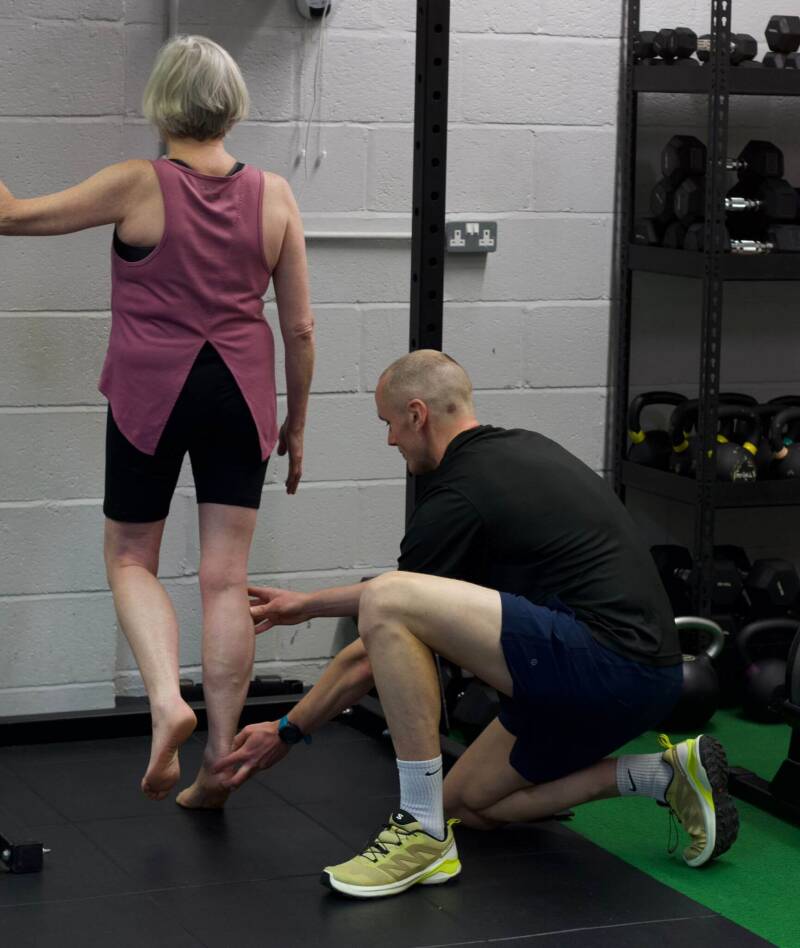
What is Plantar Fasciitis?
The plantar fascia is a strong band of connective tissue that runs along the underside of the foot, connecting the heel bone to the base of the toes.
It helps support the arch of the foot and plays an important role in absorbing and transferring forces when you walk and run.
Plantar fasciitis is a common cause of plantar heel pain. Despite its name, persistent plantar heel pain is not necessarily caused by inflammation alone. Changes in the structure and load tolerance of the plantar fascia can occur over time.
Symptoms can affect anyone but are particularly common in people who regularly walk, run or participate in activities that place repeated loads through the foot.
What Causes Plantar Fasciitis?
Plantar fasciitis usually develops when the tissues around the heel and foot are exposed to more load than they can currently tolerate.
Contributing factors can include:
-
Sudden increases in running
-
Increased walking distance
-
Starting a new exercise programme
-
Changes in training volume
-
Prolonged periods of standing
-
Reduced calf strength
-
Reduced foot and ankle strength
-
Previous foot or ankle injuries
-
Changes in footwear
-
Returning to activity after a period of inactivity
There is often no single cause. Symptoms may develop gradually as the cumulative load placed through the foot increases.
Symptoms of Plantar Fasciitis
The most common symptom is pain underneath the heel.
Typical symptoms include:
-
Pain underneath or around the heel
-
Pain with the first few steps in the morning
-
Pain after sitting for a prolonged period
-
Pain when walking
-
Pain during running. Please see our Running injuries page.
-
Heel pain after exercise
-
Tenderness around the plantar fascia
-
Stiffness in the foot or ankle
Some people find that their pain eases after moving around but returns following prolonged activity or later in the day.
Pain in the heel, after increased amounts of activity that gets worse with weight bearing can be a sign of a stress fracture.
How is Plantar Fasciitis Diagnosed?
Plantar fasciitis can usually be diagnosed through a clinical assessment.
At NE Physio, we'll discuss:
-
When your symptoms began
-
Changes to your activity levels
-
Your walking and running routine
-
Previous foot or ankle injuries
-
Your footwear
-
Activities that aggravate your symptoms
Your physiotherapist will assess:
-
Foot and ankle movement
-
Calf flexibility and strength
-
Foot strength
-
Balance
-
Walking pattern
-
Single-leg function
-
Running mechanics where appropriate
Imaging is not usually required to diagnose plantar fasciitis. Ultrasound or other investigations may occasionally be recommended if your symptoms are unusual, persistent or another condition is suspected.
Physiotherapy Treatment for Plantar Fasciitis
Treatment focuses on improving the ability of your foot and calf to tolerate load.
Your rehabilitation programme will be tailored to your symptoms and goals.
Load Management
One of the most important aspects of treatment is managing the amount of load placed through the foot.
This may involve temporarily modifying:
-
Running
-
Walking distance
-
Hill walking
-
Jumping
-
Sports training
-
Prolonged standing
Complete rest is rarely necessary. Instead, we'll help you find an appropriate level of activity while your symptoms settle.
Stretching and Mobility
Depending on your assessment, exercises may be used to improve the mobility of:
-
The calf muscles
-
The ankle
-
The foot
-
The toes
Improving comfortable ankle and foot movement can make everyday activities easier and complement your strengthening programme.
Strengthening Exercises
Strengthening is an important part of long-term recovery.
Your programme may include:
-
Calf raises
-
Single-leg calf raises
-
Foot and arch strengthening
-
Toe exercises
-
Balance exercises
-
Lower limb strengthening
Exercises are progressively increased as your strength and tolerance improve.
Footwear and Activity Advice
Your physiotherapist can help you identify whether changes to your footwear or training routine could reduce unnecessary irritation.
This may include advice regarding:
-
Appropriate footwear
-
Running surfaces
-
Training volume
-
Walking distances
-
Recovery between sessions
There is no single type of shoe that is best for everyone, so recommendations will be based on your symptoms and activities.
Return to Running and Sport
If you're a runner or participate in sport, rehabilitation should progress beyond simply being able to walk without pain.
Your programme may gradually introduce:
-
Jogging
-
Running
-
Hills
-
Faster running
-
Jumping
-
Hopping
-
Sport-specific exercises
We'll help you progressively increase your training load while monitoring your symptoms.
Can You Exercise with Plantar Fasciitis?
In most cases, yes.
Stopping all activity can reduce your overall fitness and may make returning to exercise more difficult.
Instead, your activity can often be modified while the plantar fascia gradually becomes more tolerant of load.
Depending on your symptoms, you may be able to continue activities such as:
-
Cycling
-
Swimming
-
Strength training
-
Upper-body exercise
-
Modified running
-
Walking at a reduced distance
Your physiotherapist will help you determine an appropriate level of activity based on your symptoms and rehabilitation stage.
Some discomfort during rehabilitation does not necessarily mean you are causing damage. However, if your pain or stiffness is consistently increasing, your activity levels may need to be adjusted.
How Long Does Plantar Fasciitis Take to Recover?
Plantar fasciitis can take time to settle, particularly when symptoms have been present for several months.
Recovery depends on:
-
How long you've had symptoms
-
Your activity levels
-
Foot and calf strength
-
Training loads
-
General health
-
Consistency with rehabilitation
Some people notice improvements within several weeks, while longer-standing plantar heel pain may require several months of progressive rehabilitation.
The aim is not simply to reduce pain but to improve the capacity of your foot so it can tolerate your normal walking, running and sporting activities.
Can Plantar Fasciitis Be Prevented?
There is no guaranteed way to prevent plantar fasciitis, but maintaining foot and calf strength and managing activity levels appropriately can reduce your risk.
Helpful strategies include:
-
Increasing running gradually
-
Maintaining calf strength
-
Progressing walking distances gradually
-
Avoiding sudden changes in training
-
Allowing sufficient recovery between high-load sessions
-
Maintaining general lower limb strength
-
Returning to exercise progressively after periods of inactivity
If you're returning to running after an injury or break, we'll help you develop an appropriate progression.
Why Choose NE Physio?
At NE Physio, we provide one-to-one physiotherapy focused on understanding the factors contributing to your heel pain and helping you return to the activities you enjoy.
We provide:
-
Comprehensive assessment
-
Evidence-based physiotherapy
-
Progressive foot and calf strengthening
-
Running rehabilitation
-
Load management advice
-
Sports rehabilitation
-
Hands-on treatment where appropriate
-
Clear explanations throughout your recovery
Whether you're a recreational runner, competitive athlete or simply want to walk comfortably again, we'll help you progressively rebuild the strength and capacity of your foot.
Testimonials
"Matt was very knowledgable about my condition. Saw him over several months for plantar fasciitis. Gave me a clear, structured and personalised plan and got me back to running. Would definitely recommend!" Sam (google reviews)
Book Your Plantar Fasciitis Assessment
If heel pain is affecting your walking, running, work or exercise, physiotherapy can help you understand the problem and develop a structured plan for recovery.
Book an appointment with NE Physio today for a comprehensive assessment and personalised rehabilitation programme.
We help people across Newcastle recover from plantar fasciitis and plantar heel pain, helping them return to walking, running and the activities they enjoy with confidence.
Or contact on 07881237839 to discuss further.
Page Created and Reviewed by Clinician: Matthew Ivin PH 118421