Hip Dysplasia Physio in Newcastle
Expert Physiotherapy for Hip Dysplasia
Hip dysplasia is a condition where the hip socket does not fully cover the ball of the hip joint. This can lead to increased stress on the joint, reduced stability and pain during everyday activities or sport.
Although hip dysplasia develops during childhood, many people are not diagnosed until adolescence or adulthood, often after persistent groin pain or investigations for hip discomfort.
At NE Physio, we provide evidence-based physiotherapy for adults with hip dysplasia. Our aim is to reduce pain, improve strength and stability, and help you return to the activities that matter most while protecting the long-term health of your hip.
Whether you've recently been diagnosed or have been living with hip dysplasia for years, we'll create a personalised rehabilitation programme tailored to your goals.
What is Hip Dysplasia?
Hip dysplasia, also known as Developmental Dysplasia of the Hip (DDH), occurs when the hip socket (acetabulum) is shallower than normal. As a result, the ball of the hip joint (femoral head) has less coverage and support.
This altered shape can increase the forces placed on the cartilage and labrum (the ring of cartilage around the socket), making the hip more susceptible to pain and, over time, osteoarthritis.
Not everyone with hip dysplasia develops symptoms, and many people remain active for years with the right management.
What Causes Hip Dysplasia?
Hip dysplasia develops as the hip joint forms during infancy and childhood. It is not caused by exercise or sporting activity.
Several factors increase the likelihood of developing hip dysplasia, including:
-
Family history
-
Female sex
-
Breech presentation during pregnancy
-
Certain childhood developmental factors
Many adults are diagnosed only after developing hip pain, despite the underlying condition having been present since birth.
Symptoms of Hip Dysplasia
Symptoms vary depending on the severity of the condition and the demands placed on the hip.
Common symptoms include:
-
Pain in the groin
-
Pain at the front or side of the hip
-
Hip stiffness
-
Clicking or catching sensations
-
Feelings of instability
-
Pain during prolonged walking
-
Pain while running
-
Discomfort when climbing stairs
-
Pain after sitting for long periods
-
Reduced sporting performance
These symptoms can be very similar to hip impingement.
Some people notice that symptoms gradually worsen over time, while others experience flare-ups after increased activity.
Sudden onset of hip pain after a spike in running can be a sign of a stress fracture.
How is Hip Dysplasia Diagnosed?
A detailed clinical assessment is the first step in understanding your symptoms.
At NE Physio, we'll discuss:
-
When your symptoms began
-
Activities that aggravate your pain
-
Previous injuries
-
Medical history
-
Sporting and occupational demands
Your physiotherapist will assess:
-
Hip range of movement
-
Muscle strength
-
Walking pattern
-
Balance
-
Single-leg control
-
Functional movements such as squatting and stepping
Hip dysplasia is usually confirmed with imaging, most commonly X-rays. MRI scans may also be used to assess the labrum and cartilage if required.
Your physiotherapy assessment helps determine how much your symptoms relate to hip dysplasia and whether other structures may also be contributing.
Physiotherapy Treatment for Hip Dysplasia
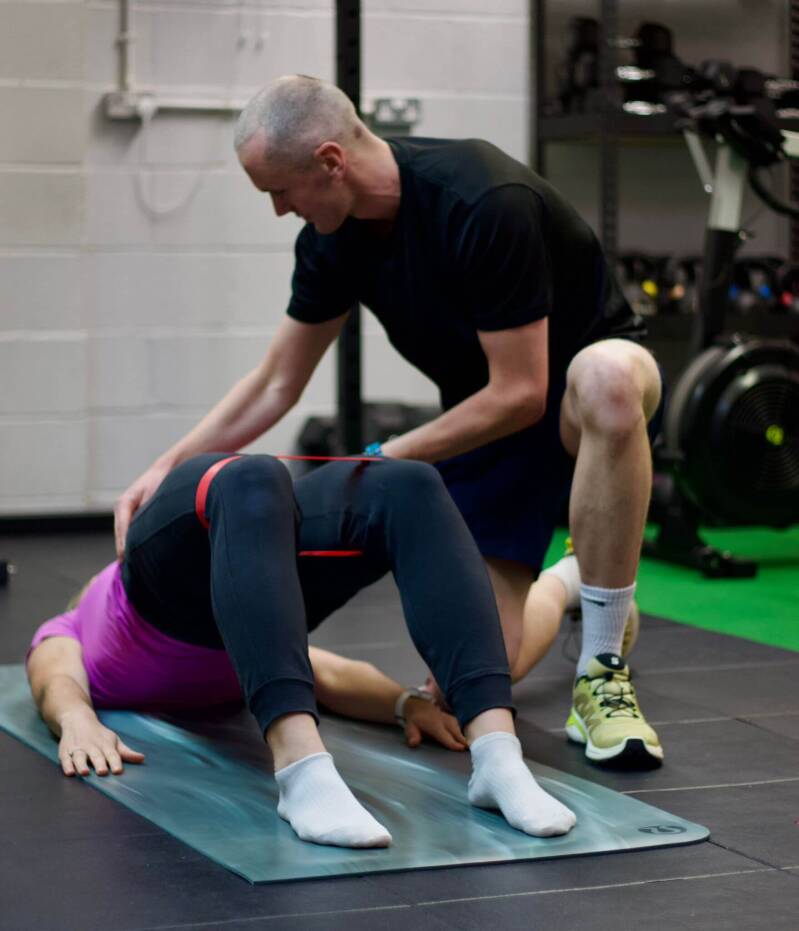
Physiotherapy plays an important role in helping people with hip dysplasia manage symptoms and improve function.
Treatment is tailored to your individual goals and may include:
Education
Understanding your diagnosis helps you make informed decisions about activity and long-term management.
We'll explain:
-
What hip dysplasia means
-
Why symptoms occur
-
Which activities are appropriate
-
How to manage flare-ups
Strength Training
Improving the strength of the muscles surrounding the hip can increase stability and reduce stress on the joint.
Your programme may include exercises for:
-
Gluteal muscles
-
Hip abductors
-
Hip rotators
-
Core muscles
-
Quadriceps
-
Hamstrings
Strengthening is progressed gradually according to your symptoms and activity goals.
Improving Movement Control
Good movement quality can reduce unnecessary stress through the hip.
Rehabilitation may include:
-
Single-leg balance exercises
-
Squat retraining
-
Step control
-
Functional strengthening
-
Running assessment where appropriate
Activity Modification
You don't usually need to stop exercising altogether.
Instead, we'll help you temporarily modify activities that aggravate your symptoms while maintaining your overall fitness and confidence.
Manual Therapy
Where appropriate, hands-on treatment may be used alongside exercise to improve movement and reduce discomfort.
Will I Need Surgery?
Not everyone with hip dysplasia requires surgery.
Many people successfully manage their symptoms through physiotherapy, strength training and appropriate activity modification.
However, surgery may be considered if:
-
Pain significantly limits everyday activities
-
Symptoms persist despite rehabilitation
-
Imaging shows structural changes that are suitable for surgical correction
One surgical option is a periacetabular osteotomy (PAO), which repositions the hip socket to improve coverage of the femoral head. In more advanced cases with significant arthritis, a hip replacement may be considered.
If your assessment suggests you would benefit from an orthopaedic opinion, we'll discuss your options and support you through the referral process.
Living Well with Hip Dysplasia
Many people with hip dysplasia remain active and continue participating in sport and exercise.
Long-term management focuses on:
-
Maintaining hip strength
-
Managing activity levels
-
Gradually progressing exercise
-
Improving movement quality
-
Recognising and managing flare-ups early
We'll help you build the confidence and knowledge to manage your condition independently.
Why Choose NE Physio?
At NE Physio, you'll receive a thorough one-to-one assessment and an individual rehabilitation programme based on your symptoms, goals and lifestyle.
We provide:
-
Accurate diagnosis
-
Evidence-based physiotherapy
-
Progressive strengthening programmes
-
Hands-on treatment where appropriate
-
Sports and running rehabilitation
-
Clear advice and ongoing support
Whether your goal is reducing pain, returning to sport or delaying surgery, we'll work with you to achieve the best possible outcome.
Book Your Hip Assessment
If you've been diagnosed with hip dysplasia or have ongoing groin pain that's affecting your daily life, early physiotherapy can help improve your strength, confidence and function.
Book an appointment with NE Physio today for a comprehensive assessment and personalised rehabilitation programme. We proudly help people across Newcastle manage hip dysplasia, reduce hip pain and return to the activities they enjoy.
Or call 07881237839 to see if NE Physio is right for you
Page Created and Reviewed by Clinician: Matthew Ivin PH 118421