Hip Bursitis Treatment in Newcastle
Expert Physiotherapy for Hip Bursitis
Pain on the outside of your hip can make everyday activities such as walking, climbing stairs, sleeping on your side or exercising uncomfortable. Although this pain is often referred to as hip bursitis, it is now recognised that many people actually have Greater Trochanteric Pain Syndrome (GTPS), a condition that often involves irritation of the gluteal tendons rather than the bursa alone.
At NE Physio, we provide expert assessment and evidence-based physiotherapy for hip bursitis and outer hip pain. Our aim is to identify the underlying cause of your symptoms, reduce pain and help you return to walking, running, work and sport with confidence.
Whether your symptoms have developed gradually or followed a sudden increase in activity, we'll create a personalised rehabilitation programme tailored to your goals.
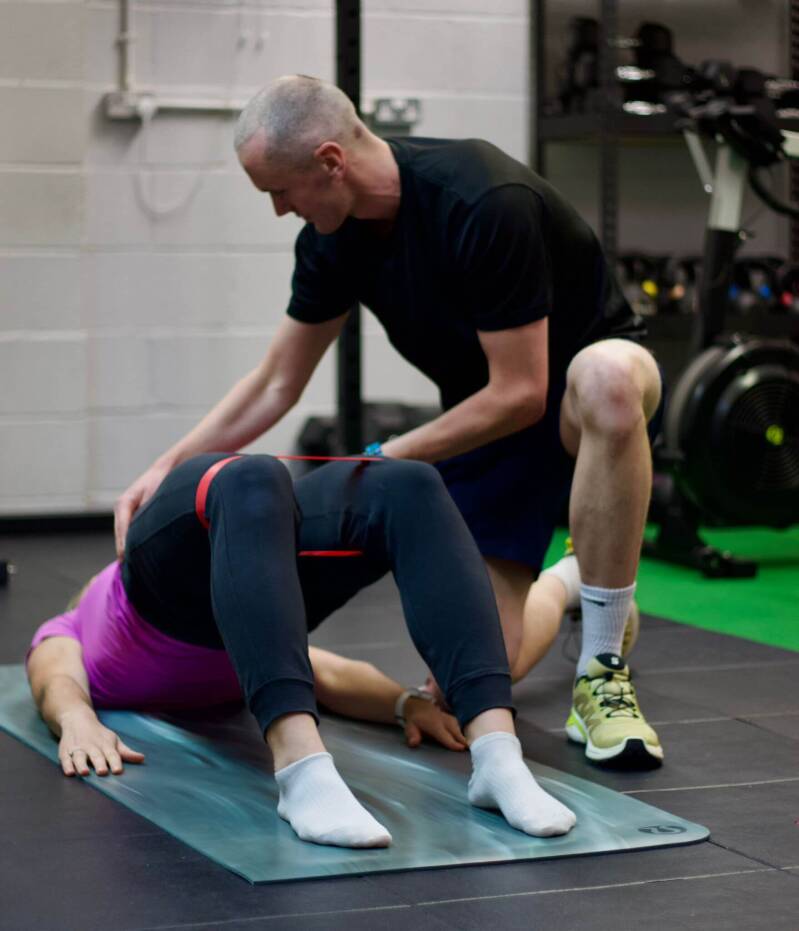
What is Hip Bursitis?
A bursa is a small, fluid-filled sac that helps reduce friction between bones and soft tissues.
Around the outside of the hip, the bursa sits over the greater trochanter, the prominent bone on the side of your thigh. Historically, pain in this area was often diagnosed as hip bursitis. However, research has shown that many people with outer hip pain actually have changes affecting the gluteal tendons, either alongside or instead of inflammation of the bursa.
Because of this, the term Greater Trochanteric Pain Syndrome (GTPS) is now commonly used to describe pain affecting the outer hip.
The good news is that physiotherapy is considered one of the most effective treatments for both hip bursitis and GTPS.
What Causes Hip Bursitis?
Outer hip pain usually develops because the tissues around the hip are exposed to more load than they can comfortably tolerate.
Common contributing factors include:
-
Repetitive walking or running
-
Sudden increases in training volume
-
Prolonged standing
-
Weakness of the gluteal muscles
-
Reduced hip strength
-
Previous hip or lower back injuries
-
Changes in activity levels
-
Osteoarthritis affecting the hip or knee
Hip bursitis is more common in women and adults over the age of 40, although it can affect active people of any age.
Symptoms of Hip Bursitis
Symptoms usually develop gradually but can occasionally begin after a fall or increase in activity.
Common symptoms include:
-
Pain on the outside of the hip
-
Pain when lying on the affected side
-
Tenderness over the bony part of the hip
-
Pain during walking
-
Discomfort climbing stairs
-
Pain after prolonged standing
-
Pain during running
-
Pain when crossing your legs
Some people also notice pain spreading into the outer thigh, although symptoms rarely travel below the knee.
How is Hip Bursitis Diagnosed?
At NE Physio, diagnosis begins with a detailed assessment rather than relying on scans.
Your physiotherapist will discuss:
-
When your symptoms started
-
Activities that make symptoms better or worse
-
Your work and exercise routine
-
Previous injuries
-
Medical history
We'll then assess:
-
Hip movement
-
Muscle strength
-
Walking pattern
-
Single-leg balance
-
Functional movements such as squatting and stair climbing
-
Tenderness around the greater trochanter
Although ultrasound or MRI scans can sometimes identify bursitis or tendon changes, imaging findings do not always match a person's symptoms. A thorough clinical assessment is usually the most valuable part of diagnosis.
Physiotherapy Treatment for Hip Bursitis
Most people recover successfully with conservative treatment.
Your rehabilitation programme will be tailored to your symptoms and goals.
Education
Understanding your condition is a key part of recovery.
We'll explain:
-
Why your symptoms developed
-
Which activities may temporarily aggravate symptoms
-
How to modify activities without becoming inactive
-
How to manage flare-ups
Activity Modification
Reducing excessive compression around the outer hip allows irritated tissues to settle.
This may involve temporary adjustments to:
-
Walking distances
-
Running volume
-
Sleeping position
-
Standing time
-
Stair use
Our goal is to keep you active while reducing unnecessary irritation.
Strengthening Exercises
Exercise is the cornerstone of treatment.
Your programme may include strengthening for:
-
Gluteal muscles
-
Hip abductors
-
Core muscles
-
Quadriceps
-
Hamstrings
Exercises are progressed gradually to improve the hip's ability to tolerate everyday activities and sport.
Improving Movement Control
Improving balance and movement quality can reduce unnecessary stress on the outer hip.
Depending on your goals, rehabilitation may include:
-
Single-leg balance exercises
-
Step-down exercises
-
Walking retraining
-
Running assessment where appropriate
Manual Therapy
Where appropriate, hands-on treatment may help reduce discomfort and improve movement alongside your exercise programme.
Do I Need an Injection?
Many people improve without needing injections.
Corticosteroid injections can provide short-term pain relief for some people, but research suggests that exercise-based rehabilitation provides better long-term outcomes.
If your symptoms remain persistent despite an appropriate course of physiotherapy, we can discuss whether further medical assessment or injection therapy may be appropriate.
How Long Does Recovery Take?
Recovery varies depending on:
-
How long symptoms have been present
-
Activity levels
-
Muscle strength
-
General health
-
Consistency with rehabilitation
Many people notice meaningful improvements within six to twelve weeks, although longer-standing symptoms may take several months to fully settle.
Remaining active and completing your rehabilitation programme consistently gives the best chance of long-term success.
Preventing Hip Bursitis Returning
Although recurrence can occur, you can reduce your risk by:
-
Maintaining hip strength
-
Progressing exercise gradually
-
Avoiding sudden increases in activity
-
Managing training loads appropriately
-
Continuing strengthening exercises after symptoms improve
-
Avoiding prolonged positions that aggravate symptoms
We'll provide practical advice tailored to your lifestyle, occupation and sporting goals.
Why Choose NE Physio?
At NE Physio, every appointment is one-to-one and centred around helping you achieve your goals.
We provide:
-
Thorough assessment
-
Accurate diagnosis
-
Evidence-based rehabilitation
-
Progressive strengthening programmes
-
Hands-on treatment where appropriate
-
Clear explanations without unnecessary jargon
-
Ongoing support throughout your recovery
Whether you're looking to return to running, improve your walking or simply sleep comfortably again, we'll help you recover with confidence.
Book Your Hip Assessment
If pain on the outside of your hip is limiting your walking, sleep, work or exercise, early physiotherapy can help reduce pain and restore your confidence.
Book an appointment with NE Physio today for a comprehensive assessment and personalised rehabilitation programme. We proudly help people across Newcastle recover from hip bursitis, greater trochanteric pain syndrome and other causes of hip pain, helping them return to the activities they enjoy.
Or Call 07881237839 to arrange speak to a clinician and arrange an appointment.
Page Created and Reviewed by Clinician: Matthew Ivin PH 118421